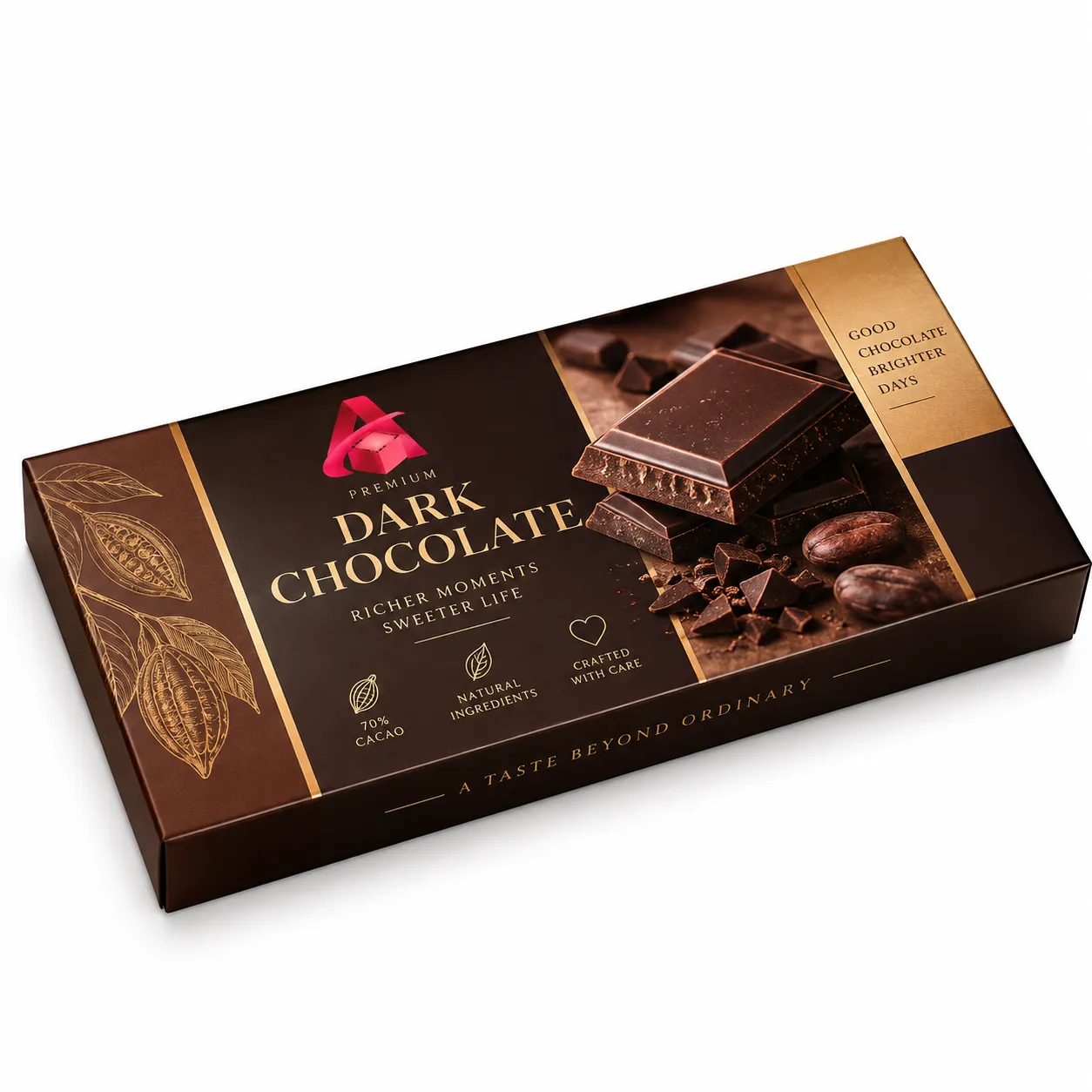
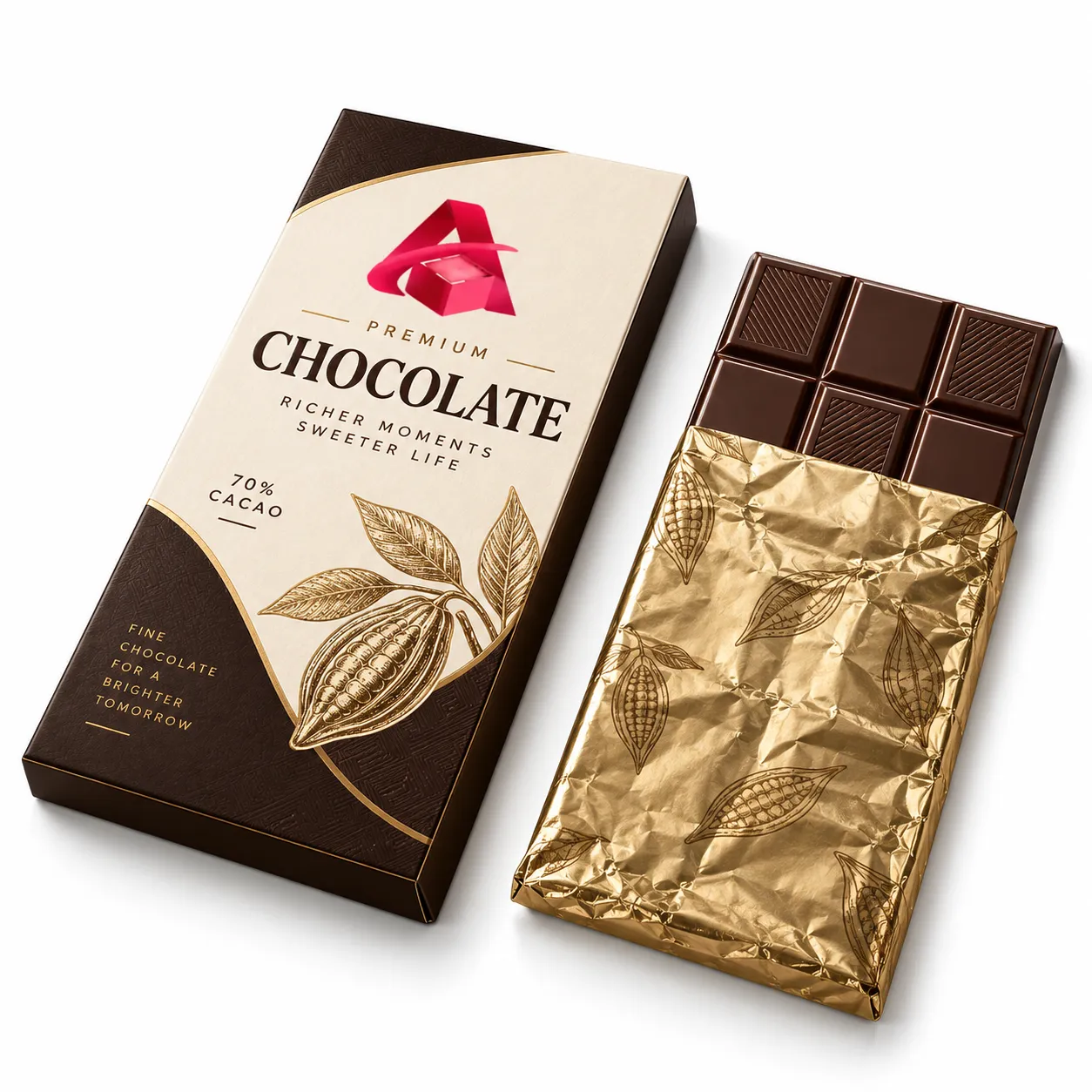

Chocolate Bar Packaging
Great chocolate deserves packaging that protects flavor, tells your story, and moves product off the shelf. Whether you run a boutique confectionery or a national brand, the right chocolate bar packaging keeps every square fresh while making your bars impossible to ignore. Below, you’ll find material options, wholesale pricing tiers, expert guidance, and answers to the questions buyers ask most.
Why Chocolate Bar Packaging Matters
Chocolate is delicate. Heat, light, moisture, and air all degrade taste and texture within days if the wrapping fails. Smart packaging solves three problems at once: it shields the product, communicates your brand, and meets food-safety standards.
Here’s what strong packaging delivers:
- Freshness protection through barrier layers that block oxygen and moisture.
- Brand recognition with custom print, color, and finish that shoppers remember.
- Compliance with FDA food-contact rules and clear ingredient labeling.
- Shelf appeal that lifts conversion in crowded retail aisles.
When these work together, you reduce waste, protect margins, and build repeat buyers.
Custom Chocolate Bar Packaging Built Around Your Brand
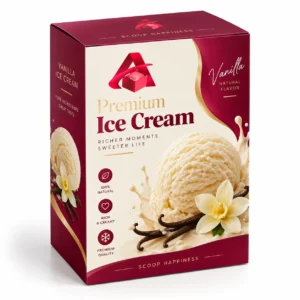
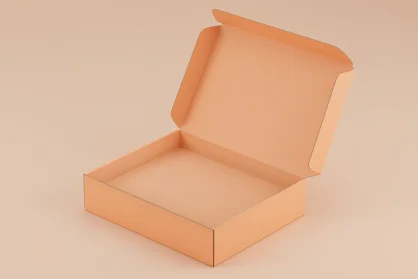
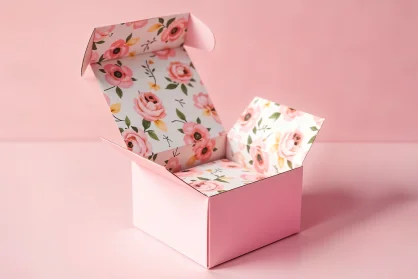
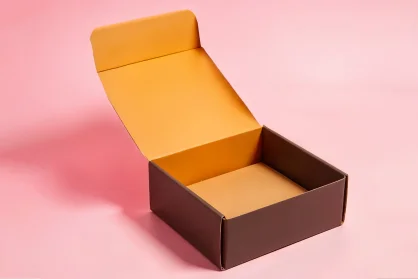
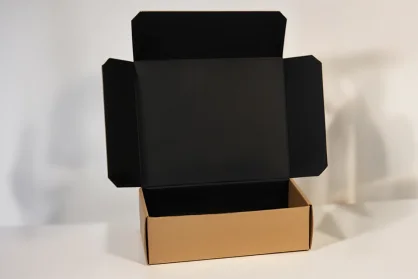
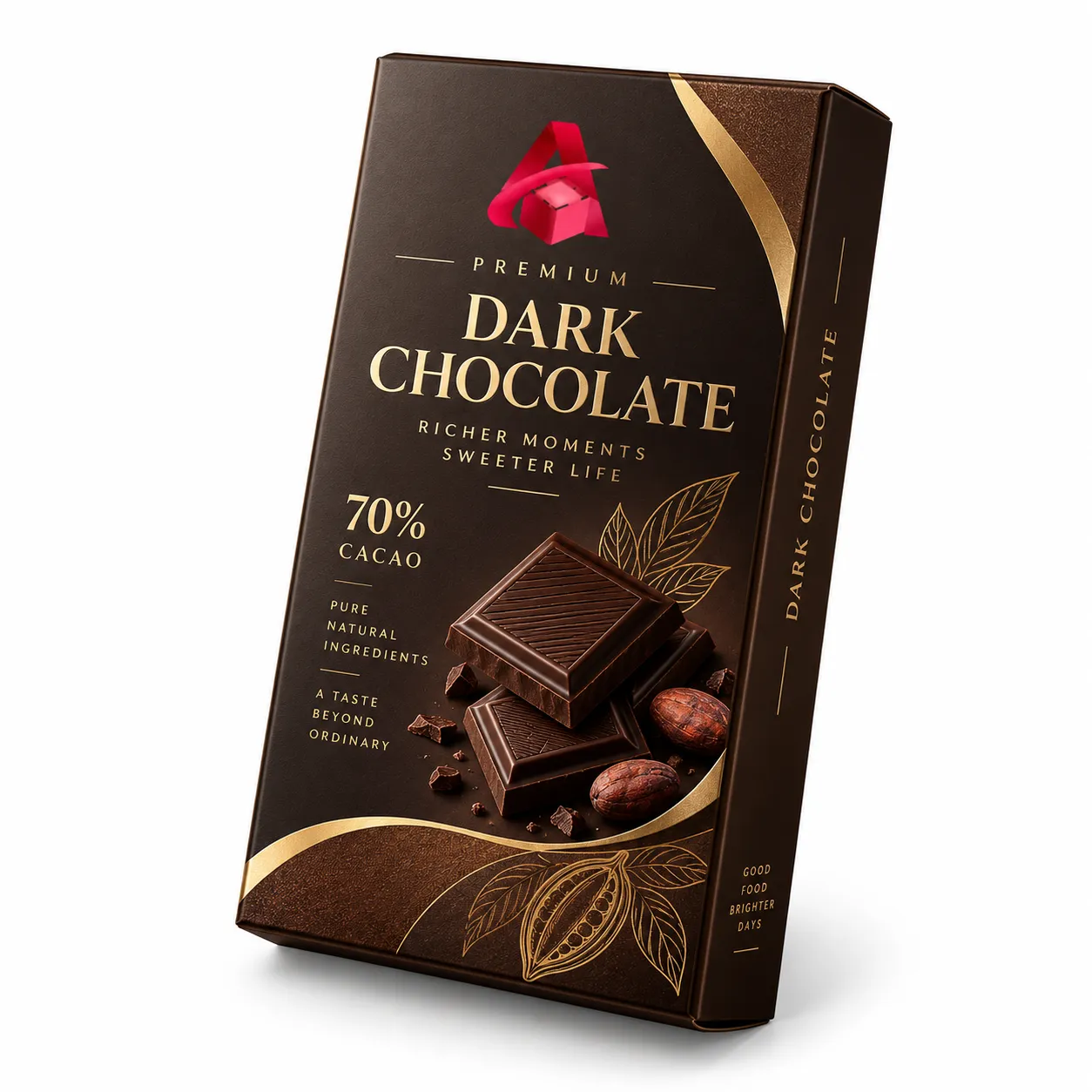
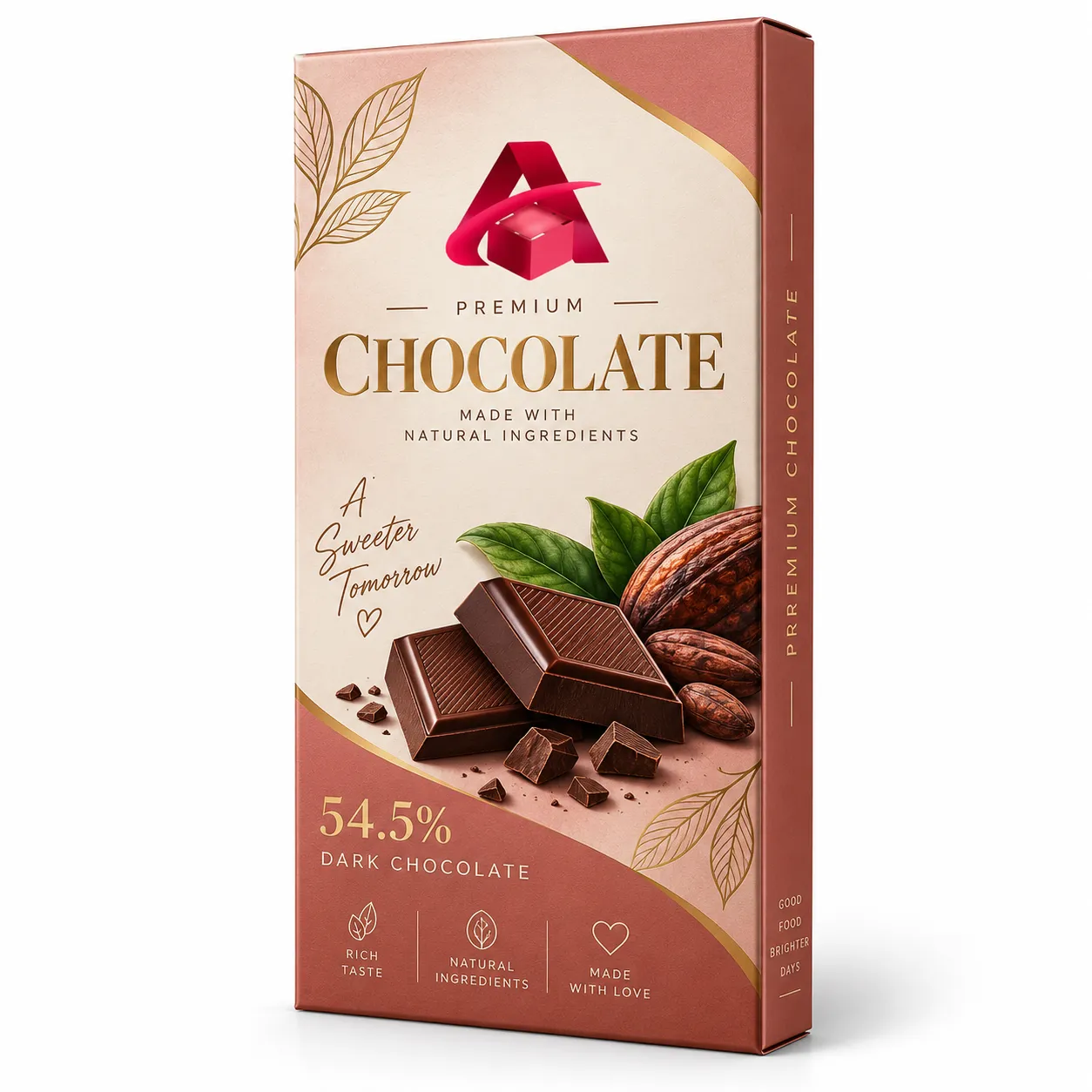
Custom Chocolate Bar Packaging lets you control every detail, from the inner foil to the printed sleeve. You choose the size, structure, and finish so the package fits your bar exactly, no wasted space and no loose wrapping.
Design Options You Can Specify
- Structure: flow wraps, folding cartons, sleeves, pillow pouches, and rigid boxes.
- Materials: kraft, coated paperboard, aluminum foil laminate, and compostable film.
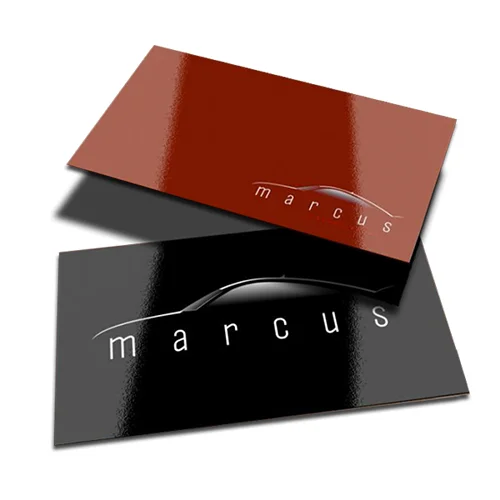
- Finishes: matte or gloss lamination, spot UV, soft-touch coating, foil stamping, and embossing.
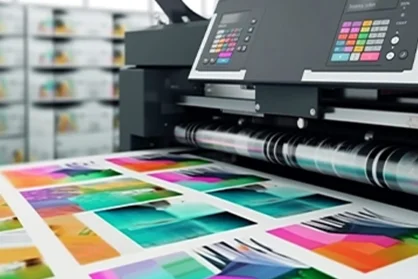
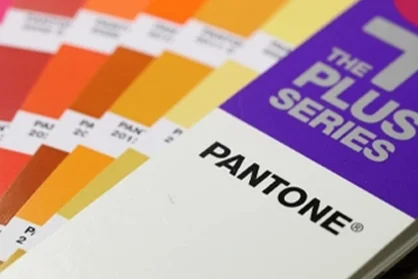
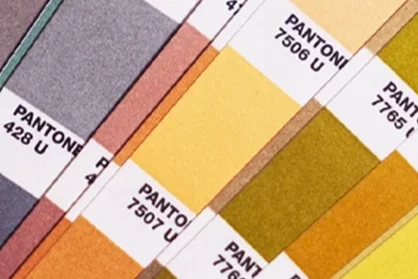
- Print: full CMYK, Pantone spot colors, and food-safe inks.
- Extras: resealable seals, tear notches, windows, and QR codes for traceability.
Because you set the specs, your packaging matches your recipe, your price point, and your audience, whether that’s single-origin dark bars or playful kids’ treats.
Comparison Table 1: Packaging Material Types
Different materials suit different bars, budgets, and sustainability goals. Use this table to match a material to your needs.
|
Material |
Freshness Barrier |
Best For |
Sustainability |
Relative Cost |
|---|---|---|---|---|
|
Aluminum Foil Laminate |
Excellent |
Premium and long shelf-life bars |
Recyclable in some streams |
High |
|
Coated Paperboard Carton |
Good |
Retail bars needing structure |
Recyclable |
Medium |
|
Kraft Paper Wrap |
Moderate |
Artisan, rustic branding |
Highly recyclable |
Low |
|
Compostable Film |
Good |
Eco-focused brands |
Compostable |
Medium-High |
|
Rigid Gift Box |
Excellent |
Luxury and gifting lines |
Reusable |
Highest |
Expert tip: Pair a foil inner wrap with a printed paperboard sleeve. You get top-tier freshness protection plus a premium branded surface, a combination trusted by confectioners for decades.
How Chocolate Bar Packaging New York Businesses Stay Competitive
Demand for Chocolate Bar food Packaging New York brands rely on continues to grow as the city’s specialty food scene expands. New York confectioners face fast retail turnover, high customer expectations, and tight cold-chain logistics. Packaging that resists heat during summer deliveries and looks sharp on gourmet shelves gives local makers a real edge.
Across the United States, the same principles apply: durable barriers, clean labeling, and eye-catching design. National retailers also expect scannable barcodes, allergen statements, and consistent print quality across every run.
Chocolate Bar Packaging Wholesale: Order Smart, Save More
Buying Chocolate Bar Packaging wholesale lowers your per-unit cost and keeps inventory ready for peak seasons. Larger runs also lock in consistent color and material, so your bars look identical from batch to batch.
What You Get With Wholesale Orders
- Lower cost per unit as volume rises.
- Consistent print and material across every carton.
- Faster reorders with saved specifications.
- Dedicated support for structural and print questions.
Comparison Table 2: Wholesale Pricing Tiers
The table below shows how per-unit costs typically drop as order volume increases. Figures are illustrative ranges to help you plan; request a quote for exact pricing.
|
Tier |
Order Quantity |
Est. Price Per Unit |
Setup/Plate Fees |
Ideal For |
|---|---|---|---|---|
|
Starter |
250 – 999 |
$0.85 – $1.20 |
Applies |
New product launches |
|
Growth |
1,000 – 4,999 |
$0.55 – $0.84 |
Reduced |
Growing retail brands |
|
Volume |
5,000 – 19,999 |
$0.35 – $0.54 |
Often waived |
Regional distribution |
|
Enterprise |
20,000+ |
$0.22 – $0.34 |
Waived |
National rollouts |
Note: Final pricing depends on material, finish, size, and print complexity. Higher volumes typically unlock waived setup fees and priority production.
How It Works: From Concept to Delivery
- Share your specs. Send bar dimensions, quantity, and brand assets.
- Choose materials and finishes. Pick from the options above, or ask for a recommendation.
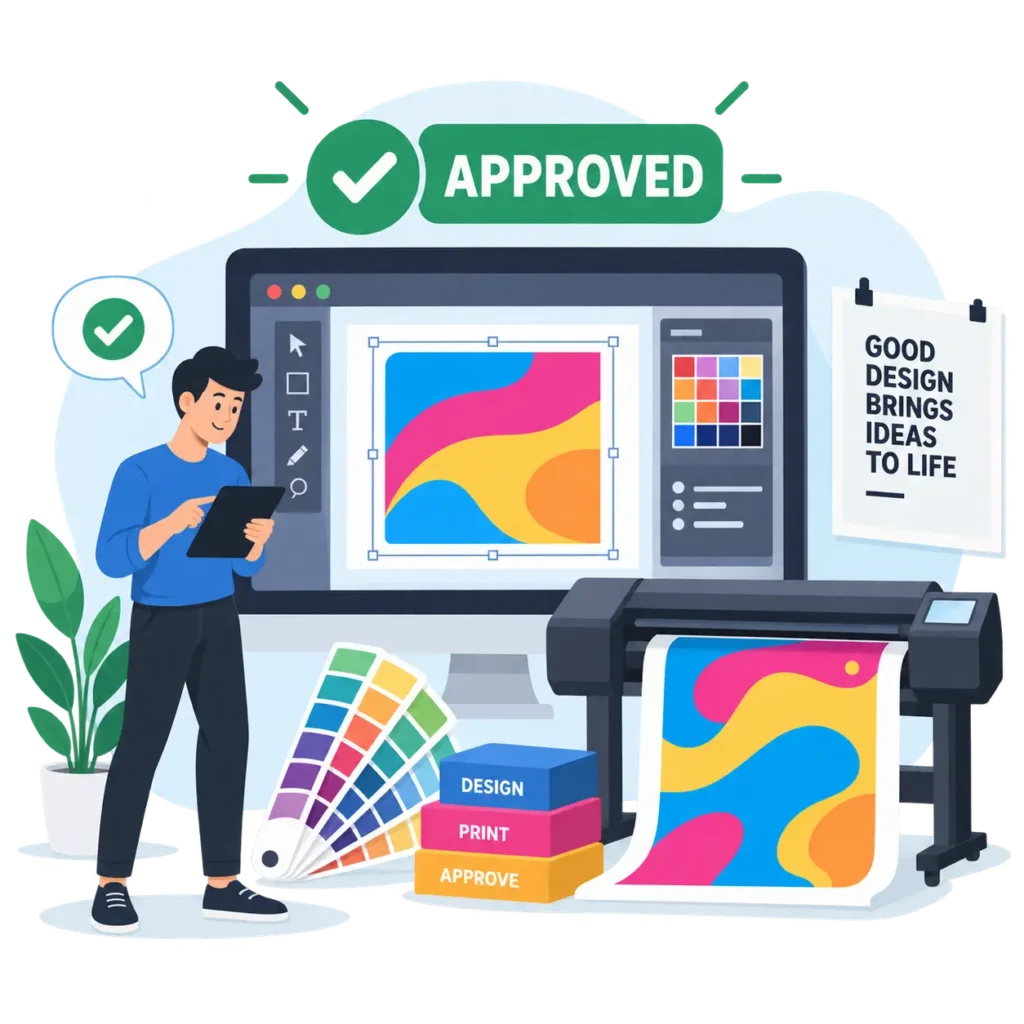
- Approve the proof. Review a digital mockup, and a physical sample for larger runs.
- Production. Your order prints, cuts, and assembles under food-safe standards.
- Delivery. Packaging ships flat or pre-formed, ready to fill.
This process keeps your launch on schedule and removes guesswork.
Use Cases Where the Right Packaging Wins
- Retail shelves: Bold sleeves and windows lift impulse buys.
- Gifting and holidays: Rigid boxes and foil stamping raise perceived value.
- Subscription boxes: Compostable film supports eco-minded audiences.
- Events and sampling: Small flow wraps make single servings easy to hand out.
Trust Signals and Quality Standards
Reliable packaging partners back their work with clear standards:
- Food-safe materials compliant with FDA contact regulations.
- Consistent color management using Pantone matching.
- Sample approval before full production to prevent costly errors.
- Sustainable options for brands committed to lower waste.
Our team has guided hundreds of confectionery brands through material selection, print setup, and compliance, so you can launch with confidence. ACustomBoxes supports each step from proof to delivery.
Specifications at a Glance
- Sizes: standard 1.5 oz to 3.5 oz bars, plus custom dimensions.
- Minimums: from 250 units.
- Print: CMYK and up to 4 Pantone spot colors.
- Turnaround: typical 7–12 business days after proof approval.
- Shipping: flat-packed or pre-formed across the United States.
Frequently Asked Questions
What is the best material for chocolate bar packaging?
Aluminum foil laminate offers the strongest freshness barrier, while coated paperboard adds structure and premium print space. Many brands combine both for protection and shelf appeal.
What is the minimum order for custom chocolate bar packaging?
Custom runs typically start at 250 units, making it accessible for new launches and small confectioners.
How much does chocolate bar packaging wholesale cost?
Per-unit prices generally range from about $0.22 to $1.20, depending on volume, material, and finish. Larger orders lower the cost and often waive setup fees.
Is the packaging food-safe?
Yes. Quality packaging uses FDA-compliant, food-contact-safe materials and inks.
Can I get eco-friendly chocolate bar packaging?
Absolutely. Kraft paper and compostable film are popular choices for sustainability-focused brands.
How long does production take?
Most orders complete within 7–12 business days after you approve the proof.
Ready to Package Bars That Sell?
Choose the material, finish, and quantity that fit your brand, then request a quote to see your exact wholesale pricing. Protect your chocolate, sharpen your shelf presence, and give buyers a treat they’ll reach for again.